Featured Articles

Boost Your Website Traffic with High Quality DA/PA 40+ Backlinks
Apr 7, 2023

In today’s competitive world, one must be knowledgeable about the latest online bus...
Oct 12, 2018
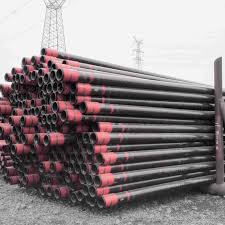
Steel casing pipes play a vital role in various industries, including oil and gas exploration, water distribution, and infrastructure development. However, exposure to corrosive environments can compromise the integrity and longevity of these pipes. To mitigate the effects of corrosion and ensure long-term performance, it is essential to employ effective corrosion resistance methods. In this article, we will explore various techniques and considerations for enhancing the corrosion resistance of oil casing pipes.
1.What is Casing Pipe Corrosion?
Corrosion is a natural process that occurs when metal reacts with its environment, resulting in deterioration and loss of material. In the context of steel casing pipes, corrosion can occur due to factors such as moisture, chemicals, soil conditions, and microbial activity. Left unchecked, corrosion can lead to leaks, structural weaknesses, and costly repairs. Therefore, implementing corrosion resistance methods is essential to prolonging the lifespan of steel casing.
2.Coating Systems
One of the most common methods for enhancing the corrosion resistance of drill casing pipes is through the application of protective coatings. These coatings act as a barrier between the steel surface and corrosive elements, preventing direct contact and inhibiting the corrosion process. Several types of coatings are available, including:
(1)Fusion-Bonded Epoxy (FBE)
FBE coatings are applied using a fusion bonding process, where the coating material is melted and fused to the steel surface. These coatings provide excellent adhesion and corrosion resistance, making them suitable for a wide range of applications.
(2)Polyethylene (PE) and Polyurethane (PU)
PE and PU coatings are thermoplastic materials that can be applied to OCTG casing pipes using various methods, including extrusion and spraying. These coatings offer excellent resistance to abrasion, impact, and chemical attack, making them ideal for harsh environments.
(3)Asphalt Enamel
Asphalt enamel coatings consist of a bituminous compound that is applied to the steel surface and cured to form a protective layer. These coatings are particularly effective in soil and water immersion applications due to their resistance to water and chemicals.
3. Cathodic Protection
Cathodic protection is another effective method for preventing corrosion in steel casing pipes. This technique works by creating a cathodic (negative) electrical potential on the steel surface, which inhibits the corrosion process. There are two primary methods of cathodic protection:
(1)Sacrificial Anode Systems
In sacrificial anode systems, sacrificial anodes made of a more reactive metal, such as zinc or magnesium, are attached to the steel casing pipe. These sacrificial anodes corrode sacrificially, protecting the steel from corrosion.
(2)Impressed Current Systems
Impressed current systems use an external power source to generate a protective electrical current that flows from an anode to the steel casing pipe. This current prevents the steel from corroding by maintaining a negative potential on its surface.
4.Corrosion Inhibitors
Corrosion inhibitors are chemical compounds that can be added to the fluid inside steel casing pipes to mitigate corrosion. These inhibitors work by forming a protective film on the steel surface, inhibiting the corrosion process. Common corrosion inhibitors include:
(1)Amines
Amines are organic compounds that can form a protective film on the steel surface, preventing corrosion. They are often used in water-based fluids to protect steel casing pipes from corrosion in water distribution systems.
(2)Phosphates
Phosphates are chemical compounds that can passivate the steel surface, making it more resistant to corrosion. They are commonly used in industrial applications to protect steel casing pipes from corrosion in acidic environments.
(3)Nitrates
Nitrates are salts that can inhibit the corrosion process by oxidizing the steel surface and forming a protective oxide layer. They are often used in closed-loop systems to protect steel casing tubes from corrosion in circulating fluids.
5.Alloyed Steel
Using alloyed steel with specific alloying elements can significantly improve the corrosion resistance of steel casing pipes. These alloying elements, such as chromium, nickel, and molybdenum, form passive oxide layers on the steel surface, which act as barriers against corrosion. Stainless steel, for example, contains chromium and nickel, making it highly resistant to corrosion in a wide range of environments.
6.Proper Installation and Maintenance
Proper installation and maintenance practices are essential for ensuring the long-term corrosion resistance of steel casing pipes. This includes:
(1)Cleaning and Preparation
Steel casing pipes should be properly cleaned and prepared before installation to remove any contaminants or debris that could promote corrosion.
(2)Coating Application
Protective coatings should be applied according to manufacturer specifications to ensure uniform coverage and adhesion to the steel surface.
(3)Regular Inspection and Maintenance
Regular inspection and maintenance programs should be implemented to detect and address any signs of corrosion or damage. This may include visual inspections, corrosion monitoring, and repairs or replacements as needed.
7.Environmental Considerations
When selecting corrosion resistance methods for steel casing pipes, it is essential to consider the specific environmental conditions they will be exposed to. Factors such as soil type, moisture levels, pH, temperature, and chemical composition can all affect the corrosion resistance requirements. By understanding the environmental conditions, stakeholders can choose the most appropriate corrosion resistance methods to ensure the long-term performance of steel casing pipes.
Conclusion:
Enhancing the corrosion resistance of steel casing pipes is essential for ensuring their longevity and reliability in various applications. By employing techniques such as protective coatings, cathodic protection, corrosion inhibitors, alloyed steel, and proper installation and maintenance practices, stakeholders can mitigate the effects of corrosion and prolong the lifespan of steel casing pipes. It is crucial to consider environmental factors and select corrosion resistance methods that are best suited to the specific application and operating conditions. By prioritizing corrosion resistance, stakeholders can protect their investments and ensure the continued success of steel casing pipe projects.
Article source: https://article-realm.com/article/Business/59570-Corrosion-resistance-methods-of-steel-casing-pipe.html
Comments
Reviews

Most Recent Articles
- Oct 19, 2026 How E-Commerce Is Expanding the Reach of the Coffee Machine Market by Dipak Straits
- Oct 19, 2026 Affordable Composite Deck Contractor in Johnston, Iowa by Evan
- Oct 19, 2026 Basement Remodeling Experts in Johnston: Plan Smart by Evan
- Oct 19, 2026 Basement Remodeling Experts in Johnston: Plan Smart by Evan
- Oct 19, 2026 Power Up Your UK Business with Next-Gen Crypto Payment Gateway Development by Benjamin Valor
Most Viewed Articles
- 10675 hits Market Overview: Membrane Contactor Industry 2025 by Terra Logistics
- 8587 hits Mist Sprayer Pumps Market Demands, Trends, Industry Analysis, Segmentation by 2032 by ellamrfr
- 6792 hits Next-Gen Connectivity and the Rising Demand for RF Semiconductors by James Cameroon
- 5698 hits Digital Printing Packaging Market by Technology, Application, and Region by James Cameroon
- 4735 hits Flexographic Printing Plates Market Size, Share, Report 2024-32 by ellyse perry
Popular Articles
In today’s competitive world, one must be knowledgeable about the latest online business that works effectively through seo services....
81572 Views

Walmart is being sued by a customer alleging racial discrimination. The customer who has filed a lawsuit against the retailer claims that it...
63880 Views
Are you caught in between seo companies introduced by a friend, researched by you, or advertised by a particular site? If that is...
37342 Views

Facebook, the best and most used social app in the world, has all the social features you need. However, one feature is missing. You cannot chat...
23623 Views
If you have an idea for a new product, you can start by performing a patent search. This will help you decide whether your idea could become the...
14879 Views

Moving becomes easy when you have the right moving accessories. These moving accessories help secure and protect your item by ensuring that no harm...
13254 Views

A lot of us look forward to the result of moving and not the process itself. It is pretty typical behavior, though. As modern people, many things...
13198 Views

Building a custom home is an exciting adventure. It’s your chance to bring your vision to life and create an area that sincerely displays...
12944 Views

Moving from one state, city, or even to a whole different county, is something that is either dictated by choice or circumstance. This is because,...
12067 Views

The report is titled as ‘Recombinant Cell Culture Supplements Market: Opportunity Analysis and Future Assessment 2022-2030’. An...
11593 Views
Statistics
| Members | |
|---|---|
| Members: | 17198 |
| Publishing | |
|---|---|
| Articles: | 79,778 |
| Categories: | 202 |
| Online | |
|---|---|
| Active Users: | 2608 |
| Members: | 4 |
| Guests: | 2604 |
| Bots: | 21482 |
| Visits last 24h (live): | 4739 |
| Visits last 24h (bots): | 35381 |


