Featured Articles

In today’s competitive world, one must be knowledgeable about the latest online bus...
Oct 12, 2018
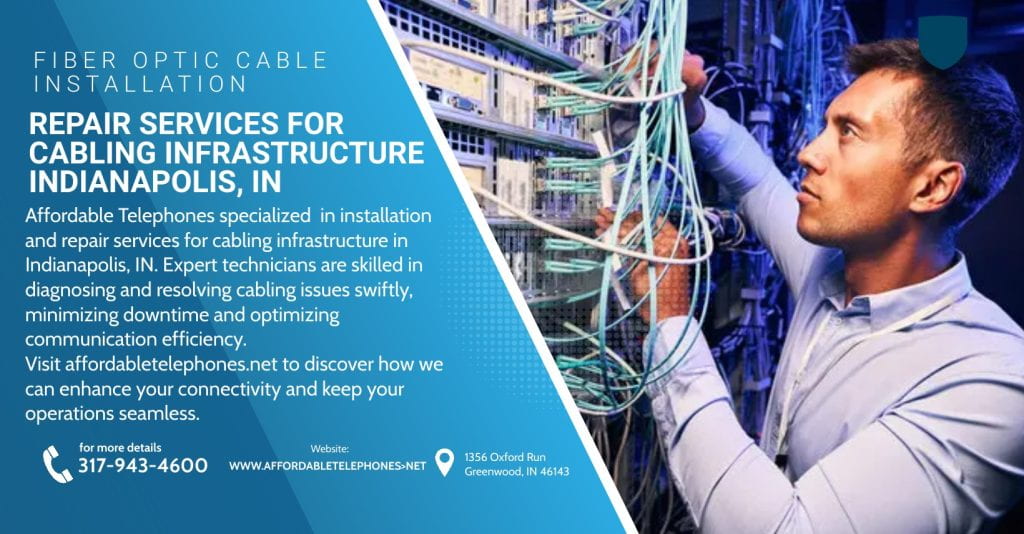
In today’s digital age, where seamless communication and data transfer are paramount for business success, having a robust and efficient cabling infrastructure is crucial. Structured cabling installation offers a comprehensive solution to organize and streamline your network connections, ensuring optimal performance and reliability. In this guide, we delve into everything you need to know about structured cabling, from its fundamentals to installation considerations and costs.
What is Structured Cabling?
Structured cabling is a standardized approach to designing and installing a network infrastructure that supports various communication technologies within a building or campus. Unlike traditional point-to-point cabling systems, structured cabling involves organizing cables and connectivity devices into a unified, hierarchical structure. This approach simplifies network management, troubleshooting, and future expansions.
How Does It Work?
At the heart of structured cabling is a systematic layout comprising several standardized components, including cables, patch panels, racks, and outlets. These components are interconnected to create a network that supports data, voice, video, and other multimedia services. The design follows industry standards, such as those established by the Telecommunications Industry Association (TIA) and the International Organization for Standardization (ISO), ensuring compatibility and interoperability across different vendors and technologies.
What Is Low-Voltage Structured Cabling?
Low-voltage structured cabling refers to the use of cables and equipment that operate at lower voltage levels, typically below 50 volts. This type of cabling is commonly employed for data and voice communication, security systems, audiovisual applications, and other low-power devices. Low-voltage cabling offers several advantages, including improved safety, flexibility, and cost-effectiveness.
When Should Businesses Use Low Voltage Structured Cabling?
Businesses should consider low-voltage structured cabling for their communication and networking needs when:
- Deploying modern IP-based telephony systems
- Establishing high-speed data networks
- Implementing security and surveillance solutions
- Integrating audiovisual and multimedia systems
- Future-proofing infrastructure for emerging technologies
Components of a Structured Cabling System
A typical structured cabling system comprises several key components:
- Horizontal Cabling: Connects workstations and end-user devices to the main distribution frame (MDF) or intermediate distribution frame (IDF).
- Vertical Cabling: Links the MDF or IDF to various telecommunications rooms and equipment closets within the building.
- Patch Panels: Serve as termination points for horizontal and vertical cabling, allowing for easy connection and reconfiguration.
- Racks and Cabinets: Provide housing and organization for network equipment, patch panels, and other hardware.
- Outlets and Jacks: Provide access points for connecting devices to the cabling infrastructure.
Horizontal vs Vertical Cabling
Horizontal cabling refers to the portion of the cabling system that connects end-user devices to the main distribution frame (MDF) or intermediate distribution frame (IDF) within a single floor or work area. Vertical cabling, on the other hand, extends from the MDF or IDF to various telecommunications rooms and equipment closets throughout the building, facilitating interconnection between different floors and departments.
When and What Should You Consider During Structured Cabling Installation?
Structured cabling installation should be considered:
- During new construction or major renovation projects
- When upgrading or expanding existing network infrastructure
- When transitioning to modern communication technologies, such as IP telephony or cloud-based services
During installation, several factors should be taken into consideration, including:
- Building layout and design
- Cable types and specifications
- Equipment requirements
- Environmental factors (e.g., temperature, humidity)
- Compliance with industry standards and regulations
Buildings/Businesses That Need Structured Cabling
Structured cabling is essential for businesses of all sizes and industries, including:
- Office buildings
- Data centers
- Hospitals and healthcare facilities
- Educational institutions
- Government agencies
- Retail stores and shopping malls
- Industrial facilities
How to Install Structured Cabling
Structured cabling installation involves several steps:
- Planning and design: Assessing requirements, designing the cabling layout, and selecting appropriate components.
- Cable installation: Running cables through conduits, cable trays, or overhead pathways according to the design plan.
- Termination and testing: Terminating cables at patch panels and outlets, then conducting thorough testing to ensure proper functionality.
- Documentation: Documenting the cabling infrastructure, including cable routes, connections, and labeling for future reference and maintenance.
Factors to Consider During Installation
- Cable management and organization
- Proper grounding and bonding
- Compliance with safety codes and regulations
- Future scalability and flexibility
- Integration with existing infrastructure
Optimizing for Functionality
Optimizing structured cabling for functionality involves:
- Minimizing cable lengths and bends to reduce signal degradation and interference.
- Implementing cable management solutions to keep cables organized and accessible for maintenance.
- Using high-quality components and cables to ensure reliability and performance.
- Incorporating redundancy and failover mechanisms to enhance system resilience.
Choosing the Right Structured Cabling Installer
When selecting a structured cabling installer, consider:
- Experience and expertise in cabling design and installation
- Certifications and qualifications (e.g., BICSI, TIA, ISO)
- References and testimonials from previous clients
- Compliance with industry standards and best practices
- Ability to handle project requirements and timelines
How Much Does Structured Cabling Installation Cost?
The cost of structured cabling installation depends on various factors, including:
- Size and complexity of the project
- Type and quantity of cables and components
- Labor and installation fees
- Equipment and materials
- Additional services (e.g., testing, certification)
To get an accurate estimate, it’s recommended to request quotes from multiple reputable cabling contractors and compare their proposals based on scope, quality, and cost.
For expert structured cabling installation services tailored to your business needs, contact Affordable Telephones today at 317-943-4600 or visit their website at https://affordabletelephones.net/. Our team of experienced professionals will ensure a seamless and reliable cabling infrastructure to empower your business connectivity and success.
Comments
Reviews

Most Recent Articles
- Aug 18, 2026 Versículos Bíblicos: Explore Estudos Profundos e Inspiradores by merleshay
- Aug 14, 2026 7 Design Choices That Can Extend Submarine Power Cable Service Life by Leadvent Group
- Jul 28, 2026 Can Cross-Border Electricity Interconnection Lower Operational Risks for Telecom Providers? by Leadvent Group
- Jun 1, 2026 ICT Industry Analyst Jeff Kagan Explains Why Analyst Relations Matter More Than Ever in AI Era by Dinesh Kumar
- Feb 5, 2026 Monitoring and Remote Control of ILS Infrastructure by Guest
Most Viewed Articles
- 898 hits ICT Industry Analyst Jeff Kagan Explains Why Analyst Relations Matter More Than Ever in AI Era by Dinesh Kumar
- 467 hits What is software composition analysis? by Lucy Brudo
- 454 hits Website Development Company In Chennai by narmadhalatha
- 445 hits Tips for Effective Meetings in Software Projects by Lucy Brudo
- 411 hits Signs Than Your Business Need Cloud-based Call Center Solution by tamanna khatri
Popular Articles
In today’s competitive world, one must be knowledgeable about the latest online business that works effectively through seo services....
81603 Views

Walmart is being sued by a customer alleging racial discrimination. The customer who has filed a lawsuit against the retailer claims that it...
64068 Views
Are you caught in between seo companies introduced by a friend, researched by you, or advertised by a particular site? If that is...
37363 Views

Facebook, the best and most used social app in the world, has all the social features you need. However, one feature is missing. You cannot chat...
23643 Views
If you have an idea for a new product, you can start by performing a patent search. This will help you decide whether your idea could become the...
14898 Views

Moving becomes easy when you have the right moving accessories. These moving accessories help secure and protect your item by ensuring that no harm...
13269 Views

A lot of us look forward to the result of moving and not the process itself. It is pretty typical behavior, though. As modern people, many things...
13222 Views

Building a custom home is an exciting adventure. It’s your chance to bring your vision to life and create an area that sincerely displays...
12963 Views

Moving from one state, city, or even to a whole different county, is something that is either dictated by choice or circumstance. This is because,...
12086 Views

The report is titled as ‘Recombinant Cell Culture Supplements Market: Opportunity Analysis and Future Assessment 2022-2030’. An...
11869 Views
Statistics
| Members | |
|---|---|
| Members: | 17225 |
| Publishing | |
|---|---|
| Articles: | 79,837 |
| Categories: | 202 |
| Online | |
|---|---|
| Active Users: | 2875 |
| Members: | 0 |
| Guests: | 2875 |
| Bots: | 20581 |
| Visits last 24h (live): | 6304 |
| Visits last 24h (bots): | 47773 |


