KEEPING YOUR POOL CLEAN
Swimming pool water contains viruses, bacteria, algae, germs and a variety of other nasty things. That's why keeping swimming pool clean is important to protect you and your pool from these contaminants. Without a doubt, using is the absolute best sanitizer for your swimming pool. There are plenty of other ways to sanitize your pool, but they all fail in effectiveness and ease of use compared to chlorine.
How Much Bleach To Use In Swimming Pools?
Got your attention? Good. Then let’s get some chlorine in your pool!
Chlorine, in a swimming pool, is a consumable, and needs to be constantly replenished and reintroduced to your pool. A typical swimming pool requires about 2-3 ppm of chlorine daily to keep the pool safe and properly sanitized. Because there are several ways to handle this necessity, we offer the following options:
1. Liquid chlorine
Household bleach (the same as you use for your laundry) and pool chlorine are the same thing. They are identical in every way, with the exception of strength. Household bleach is usually a 6% concentration (although some of the cheaper stuff is 3%), while pool chlorine can typically be found in strength between 10% and 12%. All of this is sodium hypochlorite, and works the same in sanitizing your water. If you choose to buy bleach (chlorine) at the grocery store, make sure you buy the unscented variety. Obviously, the “weaker” formula will require more than the higher concentration type.
Hasa Liquidator, 8 Gallon, W/ "3/8" Upgrade
The biggest advantage of liquid chlorine is that it adds nothing to your pool except water, chlorine, and a small amount of salt. With the exception of having to handle bulky jugs, liquid chlorine is the easiest method of introducing this sanitizer to your pool, while adding the least amount of unwanted “fillers’ or other chemicals to your pool. Besides manually pouring chlorine in to your pool, the addition of a Liquidator (or LQ, manufactured by HASA) or a peristaltic pump to introduce chlorine to your pool provides ease and a daily dosing of chlorine, helping to maintain a more balanced, and consistent, chlorine residual.
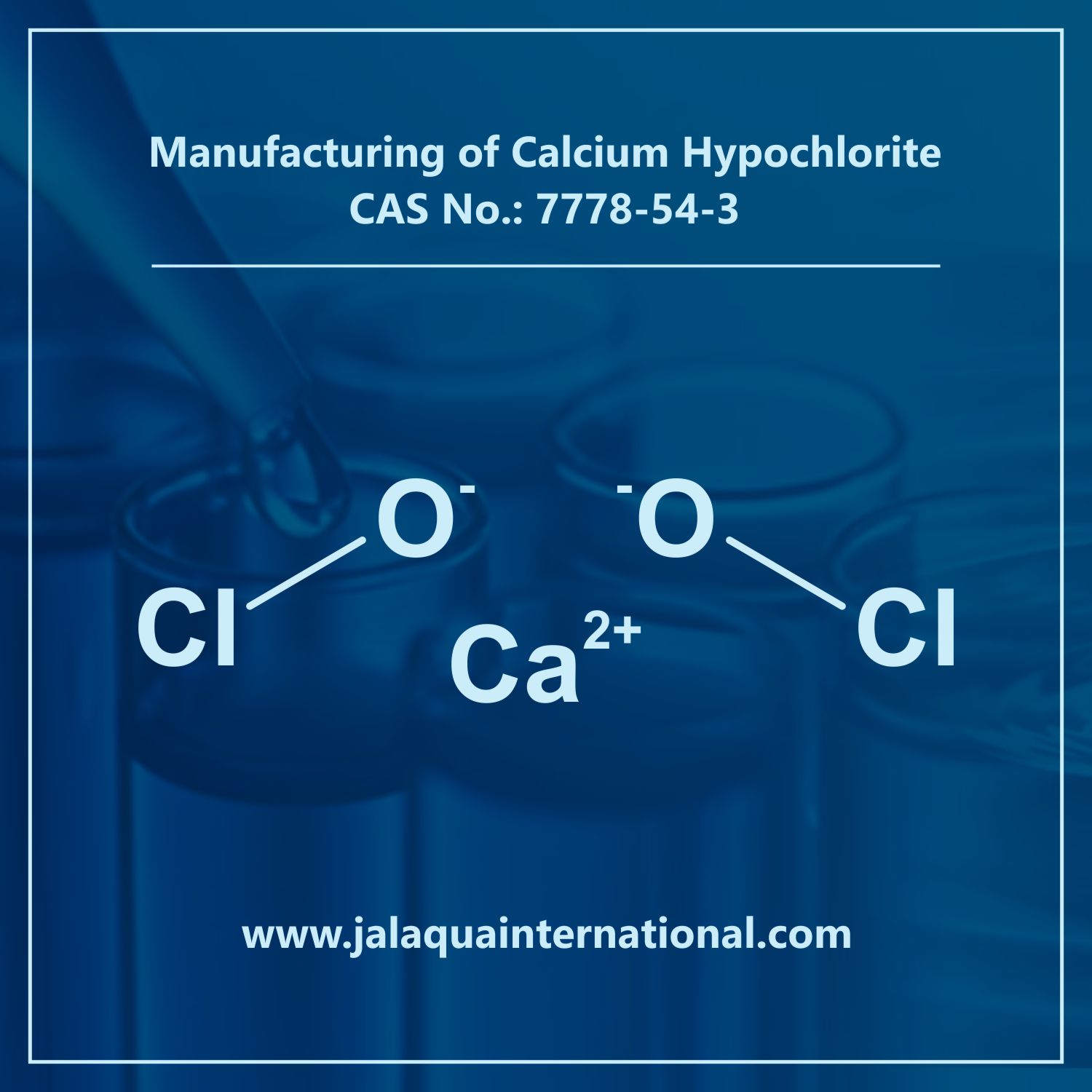
2. Calcium Hypo
3. Tri-chlor
This is most commonly sold as tablets or pucks that you place in a “floater” in your pool or a tablet feeder plumbed in line at your equipment, and they add chlorine and CYA into your water, while also lowering the pH. They are extremely convenient, and can cause more trouble than you may imagine. The CYA that they add to your pool water every day does not get used up, and builds to greater and greater levels. Eventually, the CYA level will get to the point in which it renders your chlorine completely ineffective. While a little CYA is a good thing, too much serves to block the chlorine completely, and once you wake up to a green pool and see what it takes to kill that algae in a pool with these high levels you will understand why this convenience really isn’t worth it! These “pucks” also carry a pH of around 2.5, very acidic and detrimental to pool plaster.
Floating Pool Chlorine Tablet Displenser
There are many different types of floaters and tablet dispensers available in the market. Just choose what suits your style and needs.
4. Dichlor
Stabilized form of chlorine. It is granular and fast-dissolving. Sold often as “shock” at the various pool stores. In similar fashion to tri-chlor, di-chlor adds chlorine and CYA to your water and lowers the pH. Be warned though, continuous use of dichlor can raise your CYA level very quickly, that can lead to the same problems as mentioned above.
5. Salt Water Chlorine Generators (SWCG)
PowerClean Salt Ultra 320 CMP Salt Water System Chlorinator - 20,000 Gal
Installed in your pool plumbing system (always plumb a salt cell after your spa bypass, if you have a pool/spa combo) and electrically powered at the same time as your circulation pump is running, SWCG produce chlorine from salt that has been added to your pool. SWCG are covered in greater depth in the Salt Water Chlorine Generators section under “Building and Equipment”, and ease of use is by far their single best feature, whereas the large initial investment to purchase the system is their biggest drawback. You must understand that it is critical to maintain balanced water for a SWCG to properly work, and you will be disappointed if you expect it to do everything for you! It requires attention, just like most components of your pool.
In summary, liquid chlorine (bleach) or a SWCG are your two best options. Both will maintain your swimming pool and provide safe water all summer with little, if any, side effects.