Featured Articles

Boost Your Website Traffic with High Quality DA/PA 40+ Backlinks
Apr 7, 2023

In today’s competitive world, one must be knowledgeable about the latest online bus...
Oct 12, 2018
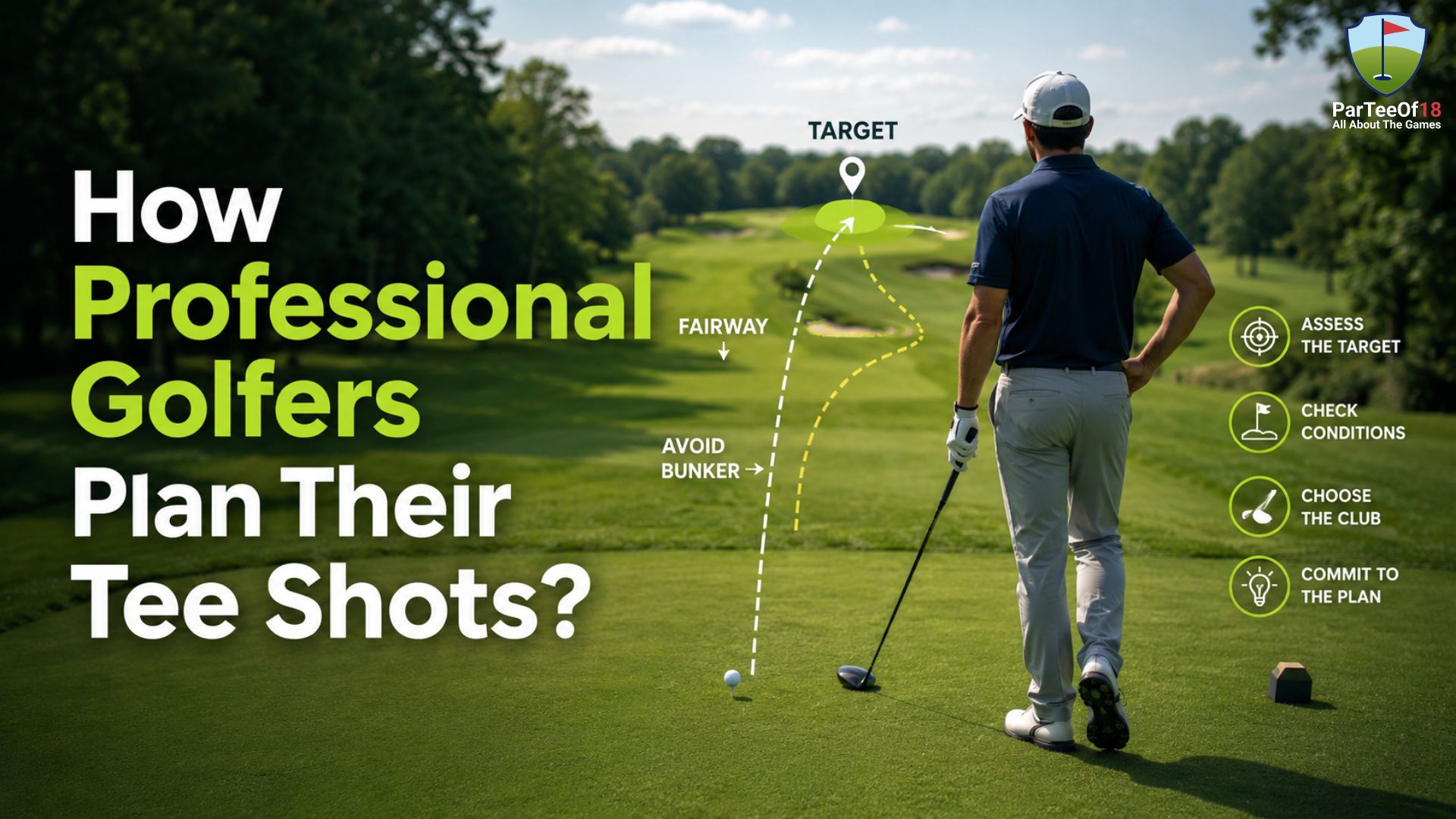
Ever watched a tour pro stand over the ball for what feels like forever before finally pulling the trigger? It's not hesitation. It's a whole mental checklist running behind those calm eyes. Every glance at the fairway, every practice swing, every conversation with the caddie means something.
Amateur golfers often assume tee shot planning is just "grip it and rip it." Pros know better. A tee shot sets the tone for the entire hole, and one wrong decision can turn a routine par into a scrambling bogey. So what exactly goes through a professional golfer's mind before that first swing? Let's break it down step by step.
Why Tee Shot Planning Matters So Much?
A poorly planned tee shot rarely ruins just one stroke. It creates a domino effect, forcing awkward approach angles, blocked lines to the green, or an unplanned recovery shot from the rough. Pros treat the tee box as the foundation of the hole, not just a starting point.
The Ripple Effect on Scoring
One bad tee shot can turn a simple par four into a bogey fight. Think of Rory McIlroy at Augusta, where a single wayward drive into the trees has cost him strokes in the past. That's why pros play backward from the green, not forward from the tee.
Building Confidence Early
A well struck, well planned tee shot builds momentum. When a golfer starts a hole with confidence, the rest of the shots tend to follow that same rhythm. It's psychological as much as it is physical, and tour players understand this better than anyone.
Studying the Course Before Stepping to the Tee
Professional golfers rarely show up and just start swinging. Most spend days walking the course during practice rounds, taking notes, and talking to caddies who know the layout inside out. This homework happens long before tournament week even begins.
Practice Rounds and Yardage Books
Every pro carries a yardage book packed with hand drawn notes about slopes, hazards, and safe landing zones. Players like Jordan Spieth are famous for scribbling detailed markings on every page, treating the book like a personal roadmap for each hole.
Talking to Local Caddies
Local caddies often know a course better than the players themselves. They've seen how the wind shifts in the afternoon or where the fairway narrows unexpectedly. Pros lean heavily on this local knowledge, especially at courses they haven't played many times before.
Reading Wind, Weather, and Course Conditions
Wind can turn a simple 300 yard drive into a nightmare guessing game. Professionals check flags, treetops, and even grass movement near the tee. Weather apps help, but experienced golfers trust their instincts and on course observations just as much.
Adjusting for Crosswinds
A crosswind can push a ball ten or fifteen yards off line without warning. Pros often aim slightly into the wind, using a technique called "working the ball" to counteract the drift and keep their shot tracking toward the intended target.
Factoring in Elevation and Altitude
Playing at higher elevations, like courses in Denver, means the ball travels farther due to thinner air. Smart players adjust club selection accordingly, sometimes taking one less club than they normally would at sea level courses.
Choosing the Right Club Off the Tee
Contrary to popular belief, pros don't always reach for the driver. Course architecture, hazard placement, and personal comfort all influence the decision. Sometimes a three wood or even a long iron makes far more strategic sense than raw distance.
When Driver Isn't the Best Option?
On tight, tree lined holes, many pros choose accuracy over distance. Bryson DeChambeau might bomb drivers on wide open holes, but even he dials back to a fairway wood on narrow doglegs where missing the fairway spells trouble.
Matching Club Choice to Hole Design
Course designers intentionally create risk and reward situations. A shorter club off the tee might leave a longer approach shot, but it also avoids fairway bunkers or water hazards lurking near the ideal landing zone for a full driver swing.
Visualizing the Shot Shape and Target Line
Before ever addressing the ball, pros picture the shot in their mind. This mental rehearsal includes the ball flight, landing spot, and roll out. It's a technique borrowed from sports psychology that separates elite performers from average competitors.
Picking a Precise Landing Spot
Rather than just aiming at "the fairway," pros choose a specific tree, sprinkler head, or patch of grass as their target. This precision reduces vague aiming and creates a clearer commitment to the shot before the club ever moves.
Using Alignment Aids and Pre Shot Routines
Many players use their feet, clubhead, or even a tee in the ground to align their body correctly. This consistent pre shot routine, repeated the same way every single time, builds muscle memory and reduces last minute doubt.
The Role of the Caddie in Tee Shot Strategy
A great caddie isn't just carrying clubs. They're a second brain on the course, offering yardages, reading conditions, and sometimes talking a player out of an overly aggressive line. The player caddie relationship plays a huge role in tee shot decisions.
Caddie Input on Risk Assessment
Caddies often calm nerves before a risky tee shot. They might remind a player of the smarter, safer play when emotions run high, especially during pressure packed final rounds where one bad decision can unravel an entire tournament.
Trusting the Numbers
Modern caddies rely on detailed statistics, including strokes gained data and past performance on similar holes. This numbers based approach helps remove emotional decision making and keeps tee shot strategy grounded in what actually works statistically.
Mental Preparation and Pressure Management
Standing on the first tee with thousands watching is nothing like a casual weekend round. Pros train their minds just as hard as their swings. Breathing techniques, visualization, and routine all help manage the nerves that come with high stakes tee shots.
Handling First Tee Jitters
Even seasoned professionals admit to feeling nervous on the opening tee shot of a tournament. Many use slow breathing or a fixed pre shot routine to settle their heart rate before committing to the swing, treating nerves as normal rather than something to fight.
Staying Committed to the Decision
Once a club and target are chosen, doubt becomes the enemy. Pros are trained to fully commit, because a half hearted swing caused by second guessing often produces worse results than simply trusting the original plan and swinging freely.
Adapting Strategy Based on Tournament Situation
Tee shot planning isn't static. It shifts depending on whether a player is leading, chasing, or just trying to make the cut. A four shot lead on Sunday calls for a very different mindset than a must make birdie situation.
Playing Aggressive When Trailing
When chasing the leaderboard, players sometimes take on more risk off the tee, going for distance over safety to set up a scoring opportunity. This is common in the final holes of major championships when nothing is left to protect.
Playing Conservative While Leading
Protecting a lead often means favoring accuracy over aggression. Many players will hit a shorter, safer club off the tee just to avoid disaster, even if it means a slightly longer approach shot into the green afterward.
How the Format of the Game Changes Tee Shot Strategy?
Here's something a lot of casual fans overlook. The format being played matters just as much as the hole itself. A pro won't necessarily hit the same tee shot on the same hole if the format changes, because the scoring system decides how much risk is actually worth taking.
Stroke Play
In stroke play, every single shot counts toward the total score, so pros tend to play it safe off the tee. A double bogey here can undo three good holes elsewhere. This format, used at most PGA Tour events, rewards steady, consistent decision making over bold gambles.
Match Play
Match play flips the script completely. Since you're only competing hole by hole, a blown tee shot costs you one hole, not your whole card. Pros get far more aggressive here, sometimes firing at flags or pins they'd never dream of attacking in stroke play events like the U.S. Open.
Stableford Scoring
Formats like the Modified Stableford, used at events such as the Barracuda Championship, reward birdies and eagles with bonus points while capping the damage from a bad hole. This encourages players to take on more risk off the tee, since a blowup hole barely hurts compared to stroke play.
Foursomes and Fourball in Team Events
At the Ryder Cup and Presidents Cup, formats like foursomes and fourball completely change tee shot thinking. In foursomes, partners alternate shots, so players sometimes choose a safer club to set their partner up nicely. In fourball, since only the best score counts, players can afford to swing more aggressively knowing their partner has a backup shot in hand.
Scramble and Casual Team Formats
In a scramble, where the whole team hits and picks the best shot, tee shot strategy loosens up considerably. One player might go for broke with a driver while a teammate plays it safe with an iron, giving the group multiple looks at the fairway without much downside.
Why Format Awareness Matters So Much?
Understanding the format helps a golfer decide how much risk actually makes sense on a given shot. A guarded, conservative tee shot that's smart in stroke play might be far too cautious in match play, where being one hole down means almost nothing if there are still holes left to play.
Common Tee Shot Mistakes Even Pros Try to Avoid
Nobody is perfect, not even the best golfers in the world. But professionals actively work to minimize certain errors that amateurs fall into repeatedly, using preparation and discipline to reduce the chances of a costly mistake off the tee.
Overestimating Distance Needs
Some players get caught chasing extra yardage instead of prioritizing accuracy. This overconfidence can send a ball into rough or hazards that a slightly shorter, well placed shot would have easily avoided altogether.
Ignoring Pin Position for the Day
Failing to consider where the pin is placed can lead to a tee shot that leaves an awkward angle into the green. Smart planning always starts by considering the entire hole, not just getting off the tee safely.
Practical Tips Amateur Golfers Can Borrow
You don't need a tour caddie to plan smarter tee shots. Here are a few simple habits recreational golfers can steal from the pros to instantly improve their course management and lower their scores.
Pick a specific target, not just "the fairway."
Check wind direction using flags or nearby trees.
Choose the club that fits the hole, not always the driver.
Build a short, repeatable pre shot routine.
Play a shorter club when trouble lines the fairway.
Conclusion
Planning a tee shot like a professional isn't about raw power or blind confidence. It's a blend of course knowledge, weather awareness, smart club selection, and mental discipline that comes together in just a few seconds before the swing. The next time you're standing on the tee box, slow down and think like a pro. Study the hole, pick a real target, and commit fully to your decision. That single shift in mindset can make a bigger difference in your scorecard than any new driver ever could.
Frequently Asked Questions
1. Do professional golfers always use a driver off the tee?
No, professionals often choose a three wood, hybrid, or long iron depending on the hole layout, hazards, and how much accuracy the situation demands over raw distance.
2. How do pros decide where to aim their tee shot?
They pick a specific, visible target like a tree or sprinkler head, factoring in wind, hazards, and the ideal angle for their next approach shot into the green.
3. Why do golfers spend so much time before hitting a tee shot?
That time includes checking wind, visualizing the shot, and running through a pre shot routine, all of which help build focus and reduce mistakes under pressure.
4. How important is a caddie in tee shot planning?
Very important. Caddies provide yardages, read conditions, offer risk assessment, and often help keep emotions in check during high pressure moments on the course.
5. Can amateur golfers use the same tee shot strategy as pros?
Yes, amateurs can apply the same basic principles, including picking specific targets, respecting hazards, and choosing the right club, to make smarter decisions and lower their scores.
6. Does the format of the game really change how pros plan their tee shots?
Yes, formats like stroke play, match play, Stableford, and team events such as foursomes or fourball all change how much risk a player is willing to take off the tee, since the scoring system rewards different types of decisions.
Article source: https://article-realm.com/article/Sports-Recreation/Golf/83971-How-Professional-Golfers-Plan-Their-Tee-Shots.html
URL
https://parteeof18.com/games/stroke-play/Discover how professional golfers plan their tee shots, from course strategy to club selection, and learn the mental process behind every drive.
Comments
Reviews

Most Recent Articles
- Sep 29, 2026 What Is the Difference Between Woods, Irons and Hybrids? by ParTee Of18
- Sep 23, 2026 Phil Mickelson's Most Memorable Hole in One Golf Moments in History by ParTee Of18
- Sep 15, 2026 5 Smart Strategies for Winning a Shamble Golf Event by ParTee Of18
- Sep 8, 2026 The History Behind Golf's Most Prestigious Tournaments by ParTee Of18
- Sep 3, 2026 How to Plan a Skins Game for a Corporate Golf Outing? by ParTee Of18
Most Viewed Articles
- 921 hits Tiger Shipping Containers by Mark Mathews
- 857 hits How Can You Follow The Latest Ethiopian News Anywhere? by Ezega
- 813 hits Chandrababu Naidu’s Implementation of Welfare Programmes by joseph
- 635 hits 6 Important Things To Know Before Initiating MPPSC Exam Preparation by neha jain
- 600 hits What are the advantages of CNC turning and milling processing? by cncmachiningptj
Popular Articles
In today’s competitive world, one must be knowledgeable about the latest online business that works effectively through seo services....
81510 Views

Walmart is being sued by a customer alleging racial discrimination. The customer who has filed a lawsuit against the retailer claims that it...
62415 Views
Are you caught in between seo companies introduced by a friend, researched by you, or advertised by a particular site? If that is...
37316 Views

Facebook, the best and most used social app in the world, has all the social features you need. However, one feature is missing. You cannot chat...
23591 Views
If you have an idea for a new product, you can start by performing a patent search. This will help you decide whether your idea could become the...
14850 Views

Moving becomes easy when you have the right moving accessories. These moving accessories help secure and protect your item by ensuring that no harm...
13231 Views

A lot of us look forward to the result of moving and not the process itself. It is pretty typical behavior, though. As modern people, many things...
13156 Views

Building a custom home is an exciting adventure. It’s your chance to bring your vision to life and create an area that sincerely displays...
12920 Views

Moving from one state, city, or even to a whole different county, is something that is either dictated by choice or circumstance. This is because,...
11975 Views

A membrane contactor is a device that enables the transfer of components between two immiscible phases, typically a gas and a liquid, through a...
10658 Views
Statistics
| Members | |
|---|---|
| Members: | 17155 |
| Publishing | |
|---|---|
| Articles: | 79,607 |
| Categories: | 202 |
| Online | |
|---|---|
| Active Users: | 3042 |
| Members: | 0 |
| Guests: | 3042 |
| Bots: | 12464 |
| Visits last 24h (live): | 11882 |
| Visits last 24h (bots): | 55636 |
