Featured Articles

Boost Your Website Traffic with High Quality DA/PA 40+ Backlinks
Apr 7, 2023

In today’s competitive world, one must be knowledgeable about the latest online bus...
Oct 12, 2018
The field of cardiology has experienced remarkable progress over the years, thanks to continuous advancements in medical technology. One area that has witnessed a profound transformation is the development of cardiac resynchronization therapy (CRT) systems. These life-changing devices have evolved significantly, driven by innovative technological breakthroughs that have revolutionized the treatment landscape for heart failure patients. According to a report by Stratview Research the cardiac resynchronization therapy systems market is projected to grow from USD 2.85 billion in 2022 to USD 3.96 billion by 2028 at a CAGR of 5.64% during the forecast period.
Understanding Cardiac Resynchronization Therapy (CRT) Systems:
Cardiac Resynchronization Therapy (CRT) systems are sophisticated medical devices designed to treat heart failure patients. Heart failure is characterized by the heart's inability to pump blood effectively, often leading to symptoms like fatigue, shortness of breath, and fluid retention. CRT systems aim to restore the heart's proper rhythm and coordination by delivering precisely timed electrical pulses to the heart chambers, thereby improving overall cardiac function and patient quality of life.
Technological Advancements Shaping CRT Evolution:
**1. Multi-Site Pacing: One of the notable advancements in CRT technology is multi-site pacing. Traditional CRT systems focused on synchronizing the contractions of the two ventricles. However, multi-site pacing introduces an additional lead to stimulate a third site, typically the left ventricle's lateral wall. This approach further enhances coordination and improves cardiac output, offering a more comprehensive solution for patients with complex heart rhythm issues.
**2. Leadless CRT Systems: A groundbreaking innovation in CRT technology is the development of leadless systems. Traditional CRT devices required surgically implanted leads (wires) to deliver electrical impulses to the heart. Leadless CRT systems eliminate the need for leads, utilizing a small wireless device implanted directly into the heart's left ventricle. This minimizes the risk of lead-related complications, simplifies the implantation procedure, and reduces patient discomfort.
**3. Wireless Monitoring and Telemedicine: The integration of wireless monitoring and telemedicine capabilities has redefined how patients and healthcare providers manage CRT therapy. Patients can now transmit data from their devices remotely, allowing healthcare professionals to monitor device performance and patient health in real-time. This proactive approach enables early detection of any issues and facilitates timely intervention, potentially preventing hospitalizations and improving patient outcomes.
**4. Adaptive Algorithms and AI: Advanced algorithms and artificial intelligence (AI) have been harnessed to optimize CRT therapy. These intelligent systems continuously analyze patient data and device performance, adjusting therapy settings based on real-time physiological information. This personalized approach ensures that patients receive the right level of therapy at the right time, maximizing benefits and minimizing side effects.
**5. Personalized Medicine and Imaging: Emerging imaging technologies, such as cardiac magnetic resonance imaging (MRI) and 3D echocardiography, play a crucial role in tailoring CRT therapy to individual patients. These non-invasive techniques allow healthcare providers to assess cardiac anatomy, identify areas of delayed electrical conduction, and precisely target the delivery of electrical impulses, leading to more effective and patient-specific treatments.
**6. Remote Programming and Updates: Remote programming and software updates have become possible with modern CRT systems. This feature enables healthcare providers to adjust device settings and parameters without requiring patients to visit the clinic. It ensures that patients receive optimal therapy, reduces the burden on both patients and healthcare systems, and enhances overall patient convenience.
Conclusion:
The evolution of cardiac resynchronization therapy systems is a testament to the transformative power of technological advancements in healthcare. From multi-site pacing to leadless systems, wireless monitoring, AI-driven algorithms, and personalized medicine, these innovations have significantly improved the efficacy, safety, and accessibility of CRT therapy. As technology continues to push the boundaries of what is possible, the future holds even more exciting possibilities for enhancing the lives of heart failure patients. However, it is crucial for healthcare professionals, researchers, and industry stakeholders to collaborate and address challenges related to training, patient education, and regulatory compliance to ensure that these technological marvels are widely adopted and benefit patients worldwide.
Pictures

Comments
Reviews

Most Recent Articles
- Sep 6, 2024 Global Elastography Imaging Market, Demand, Industry Revenue and Business Views by 2032 by Joey Moore
- Jun 14, 2024 Smart Home Devices Market Size will reach USD 455.06 Billion by 2030 from USD 86.27 Billion in 2022 by Abhishek Singh
- Feb 23, 2024 Cardiology Medical Billing Services by iMagnum Healthcare Solutions Inc
- Dec 10, 2022 Is chlorine the villain of the story? by Checkin Newkig
- Nov 7, 2022 Physiotherapist Clinic in Denver announces new hire, Erin by Physical Therapy Specialists
Most Viewed Articles
- 931 hits Why online personal training is a better option for busy individuals by convergent infoware
- 920 hits How online fitness training helps you reach your health goal by convergent infoware
- 910 hits Discover the benefits of hiring the best personal trainer by convergent infoware
- 903 hits 5 easy steps to get the best benefits from an online personal training program by convergent infoware
- 890 hits Reasons why you choose CrossFit training for your fitness by convergent infoware
Popular Articles
In today’s competitive world, one must be knowledgeable about the latest online business that works effectively through seo services....
81544 Views

Walmart is being sued by a customer alleging racial discrimination. The customer who has filed a lawsuit against the retailer claims that it...
63371 Views
Are you caught in between seo companies introduced by a friend, researched by you, or advertised by a particular site? If that is...
37328 Views
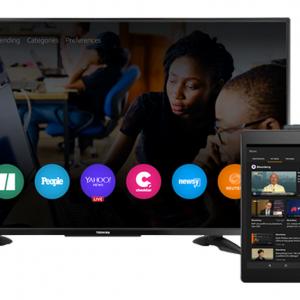
Facebook, the best and most used social app in the world, has all the social features you need. However, one feature is missing. You cannot chat...
23609 Views
If you have an idea for a new product, you can start by performing a patent search. This will help you decide whether your idea could become the...
14865 Views

Moving becomes easy when you have the right moving accessories. These moving accessories help secure and protect your item by ensuring that no harm...
13244 Views

A lot of us look forward to the result of moving and not the process itself. It is pretty typical behavior, though. As modern people, many things...
13180 Views

Building a custom home is an exciting adventure. It’s your chance to bring your vision to life and create an area that sincerely displays...
12932 Views

Moving from one state, city, or even to a whole different county, is something that is either dictated by choice or circumstance. This is because,...
11983 Views

The report is titled as ‘Recombinant Cell Culture Supplements Market: Opportunity Analysis and Future Assessment 2022-2030’. An...
10954 Views
Statistics
| Members | |
|---|---|
| Members: | 17183 |
| Publishing | |
|---|---|
| Articles: | 79,719 |
| Categories: | 202 |
| Online | |
|---|---|
| Active Users: | 2556 |
| Members: | 8 |
| Guests: | 2548 |
| Bots: | 20199 |
| Visits last 24h (live): | 4905 |
| Visits last 24h (bots): | 51929 |


