Featured Articles

In today’s competitive world, one must be knowledgeable about the latest online bus...
Oct 12, 2018

The automotive market frequently shifts between full battery-electric vehicle development and conventional internal combustion configurations. For the current model year, the 2027 Toyota Prius Plug-in Hybrid presents a compelling middle ground. Built on the second-generation Toyota New Global Architecture (TNGA-C) platform, this five-door hatchback balances low aerodynamic drag with a sophisticated dual-source propulsion system. Toyota developers built this vehicle to solve a clear mathematical equation. Specifically, they sought to minimize cold-start emissions and maximize daily electric utility without forcing drivers to depend on public fast-charging infrastructure.
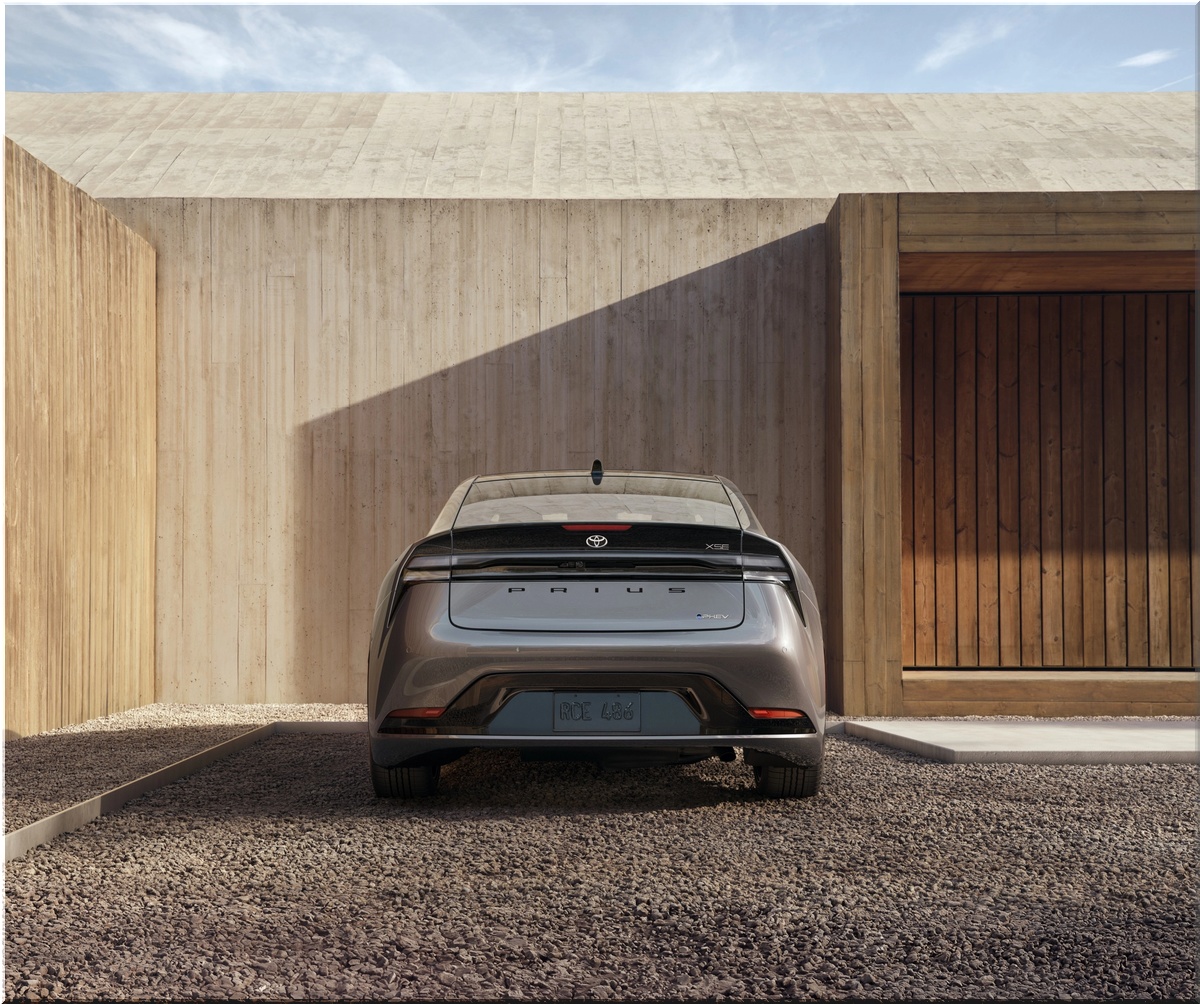
This technical analysis examines the mechanical architecture, thermal properties, electronic control networks, and physical parameters of the 2027 Toyota Prius and its plug-in variant.
Power-Split Transaxle: Technical Analysis of the Fifth-Generation Hybrid System
At the center of the 2027 Toyota Prius Plug-in Hybrid is the fifth-generation Toyota Hybrid System (THS 5). This front-transaxle configuration integrates a naturally aspirated 2.0-liter four-cylinder gasoline engine with two distinct electric motor-generators. Designated internally as the M20A-FXS, the engine operates on the high-expansion Atkinson cycle to extract maximum mechanical work from every unit of fuel.
The physical link between these power sources consists of a single planetary gear set that functions as an electronically controlled continuously variable transmission. By eliminating hydraulic multi-plate clutches, drive belts, and traditional torque converters, the system reduces frictional power loss across the drivetrain.
Thermal and Mechanical Efficiency Indicators
- Atkinson Cycle Implementation: The engine keeps the intake valves open longer during the first phase of the compression stroke. This configuration allows a portion of the air-fuel mixture to push back into the intake manifold, resulting in an expansion ratio that exceeds the physical compression ratio.
- Fuel Injection Calibration: The D4-S injection system utilizes both direct cylinder injectors and low-pressure port injectors. The engine controller switches between these injectors depending on load parameters, which prevents carbon accumulation on the intake valves.
- Traction Motor Performance: The primary electric drive motor, known as MG2, features electromagnetic steel plates and a specialized magnet arrangement. This assembly delivers immediate torque from zero revolutions per minute, producing a combined system output of 220 horsepower.
Looking at the data, the plug-in vehicle accelerates from 0 to 60 mph in 6.6 seconds. This acceleration represents a significant improvement over earlier hybrid generations, which focused on fuel economy at the expense of highway acceleration.
Battery Engineering, Internal Chemistry, and Charging Logistics
To support extended zero-emission operation, the vehicle uses a 13.6-kWh lithium-ion battery pack. Toyota engineers placed this battery array low beneath the rear passenger seats. This placement lowers the center of gravity and maintains the same cargo area volume as the standard hybrid model.
Electric Driving Range and Utility
The total distance the vehicle travels on electricity alone depends on the weight and rolling resistance of the wheel configurations. The base SE grade utilizes 17-inch alloy wheels with narrow tires, which reduces rolling resistance and allows an EPA-estimated all-electric driving range of up to 44 miles. By comparison, the XSE, Nightshade, and XSE Premium grades use 19-inch alloy wheels that increase grip but decrease the EPA-estimated all-electric range to 39 miles.
[ Level 1 Charging: 120V Standard Wall Outlet ] ████████████████████████████████████████████ 11 Hours [ Level 2 Charging: 240V Dedicated Station ] ██████████ 4 Hours
Charging speed remains a primary factor for daily usability. A standard 120-volt Level 1 outlet fully charges the battery pack in approximately 11 hours. Connecting the vehicle to a 240-volt Level 2 charging station reduces this time to approximately four hours, making mid-day charging highly practical.
Technical Specifications and Model Configuration Analysis
Understanding the performance differences across the product line requires looking at the specific metrics for each trim level. Below is a detailed breakdown of the available grades for the 2027 Toyota Prius Plug-in Hybrid:
- SE Grade ($33,980 MSRP): This entry-level model features a 220-horsepower system, 17-inch alloy wheels, an 8.0-inch multimedia touchscreen, and a six-speaker audio setup. It delivers an EPA-estimated range of 44 miles on electricity and 51 MPG in hybrid mode.
- XSE Grade ($37,230 MSRP): This mid-level model includes the 220-horsepower system, 19-inch alloy wheels, SofTex-trimmed seats, an 8.0-inch touchscreen, and a six-speaker audio setup. It delivers an EPA-estimated range of 39 miles on electricity and 48 MPG in hybrid mode.
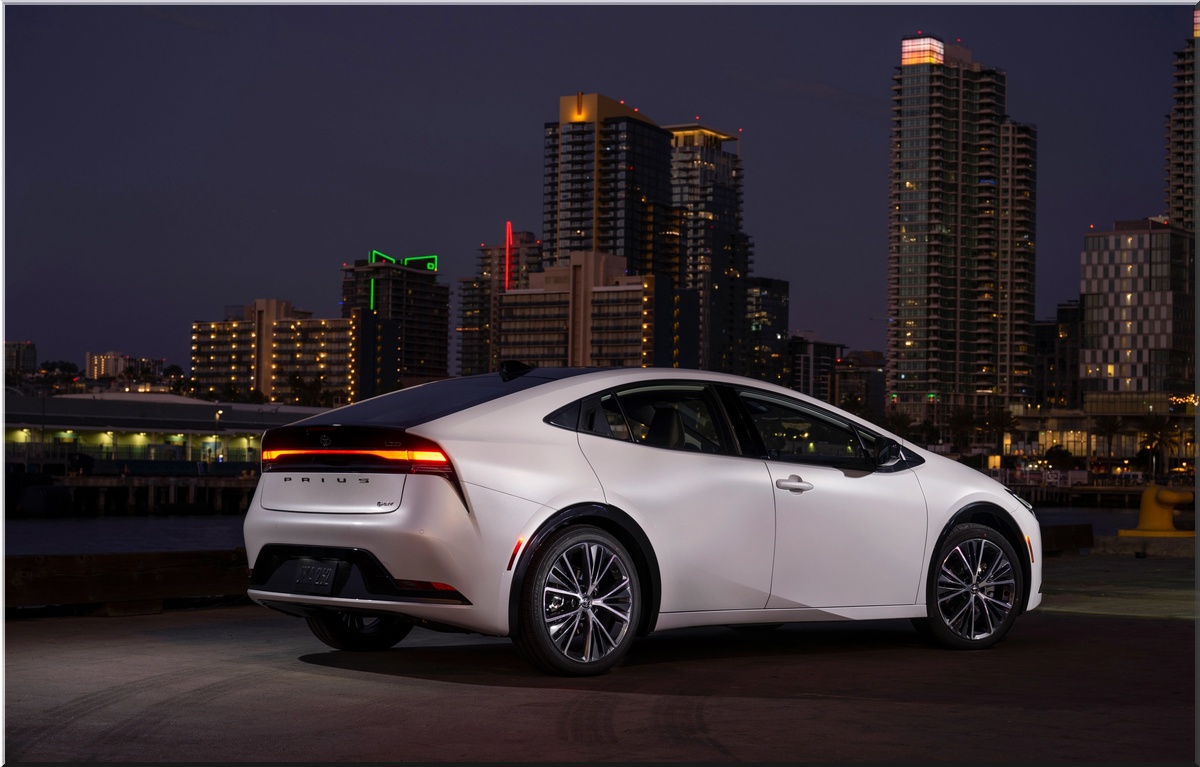
- Nightshade Edition ($38,000 MSRP): This trim adds a unique visual package with black-finished 19-inch wheels, black exterior mirrors, black badging, and a black shark-fin antenna. It shares the same 220-horsepower output, 39-mile electric range, and 48 MPG hybrid rating as the XSE.
- XSE Premium ($40,675 MSRP): The top-tier plug-in trim features the 220-horsepower system, 19-inch alloy wheels, a larger 12.3-inch multimedia touchscreen, an eight-speaker JBL premium audio system, and ventilated front seats. It achieves an EPA-estimated range of 39 miles on electricity and 48 MPG in hybrid mode.
For drivers who do not require a plug-in charging port, the standard 2027 Toyota Prius offers a traditional hybrid powertrain in either front-wheel drive (FWD) or electronic all-wheel drive (AWD):
- Standard Prius FWD (LE Grade): Generates 194 horsepower, accelerates from 0 to 60 mph in 7.2 seconds, and achieves an EPA-estimated fuel economy rating of 55 MPG combined.
- Standard Prius AWD (LE Grade): Integrates an additional electric motor on the rear axle to generate 196 horsepower, accelerates from 0 to 60 mph in 7.0 seconds, and achieves an EPA-estimated fuel economy rating of 53 MPG combined.
Cabin Design, Dual-Zone Climate Control, and Exterior Updates
The interior layout of the 2027 Toyota Prius places the driver in a low, supportive seating position. A 7-inch digital multi-information display sits directly above the steering wheel rim to keep key driving data in the driver's forward line of sight.
Climate Control and Visual Packages
The most significant functional interior upgrade for the 2027 model year is the addition of standard Dual-Zone automatic climate control across all trim levels of the Prius and Prius Plug-in Hybrid. This system allows the driver and front passenger to select individual temperature settings, addressing a common cabin comfort issue in older models.
In addition, Toyota introduces a new exterior paint color for 2027 named Inked. This deep shade joins the existing color options, which include Cutting Edge, Guardian Gray, Reservoir Blue, Supersonic Red, and Wind Chill Pearl. The Nightshade Edition features distinctive black trim accents, black door sill plates, and a textured carbon-fiber style dashboard inlay to separate it from the standard models.
For entertainment, the XSE Premium grade includes an 8-speaker JBL Premium Audio system. This system uses Clari-Fi music restoration technology to analyze compressed digital audio files and reconstruct lost high-frequency details.
Active Driver Assistance: Safety System Analysis
Every grade of the 2027 Toyota Prius includes Toyota Safety Sense 3.0 (TSS 3.0) as standard equipment. This active safety suite uses a high-resolution forward-facing camera and millimeter-wave radar to monitor the surrounding road environment.
- Pre-Collision System with Pedestrian Detection: This system scans for ahead vehicles, pedestrians, bicyclists, and motorcyclists. If the system detects an impending collision, it issues an audible warning and can apply maximum braking pressure if the driver fails to act.
- Full-Speed Range Dynamic Radar Cruise Control: Operates at speeds above 0 mph, maintaining a set distance from the vehicle ahead. The system can bring the vehicle to a complete stop in heavy traffic and resume acceleration once traffic moves.
- Proactive Driving Assist: When system operating conditions are met, this system applies subtle braking or steering inputs to help the vehicle maintain distance from lead vehicles, curves, or pedestrians.
- Lane Tracing Assist and Lane Departure Alert: Works with the cruise control system to detect lane markers or road boundaries, applying light steering torque to keep the vehicle centered.
Pro-Tip: Managing Cold-Weather Battery Range
Low temperatures reduce lithium-ion movement within battery cells, which can lower your all-electric range by 20 to 30 percent. To minimize this loss, use the companion smartphone app to pre-heat the cabin while the vehicle is still plugged into your home charger. This uses electricity directly from the grid rather than draining the vehicle battery on the road.
Financial Evaluation: Comparing Drivetrain Value
Determining whether the plug-in hybrid model justifies its higher purchase price over the standard hybrid model requires analyzing your driving habits and fuel costs. The Prius Plug-in Hybrid SE achieves an EPA-estimated 51 MPG in hybrid mode and 127 MPGe when operating on battery power.
Is a Plug-In Hybrid Right for Your Commute?
- The Daily Commuter (Under 35 Miles): If your typical daily round-trip drive is under 35 miles and you can charge the vehicle at home or work, you can drive almost entirely on electricity. This pattern reduces your gasoline consumption to near-zero for daily commuting.
- The Long-Distance Driver: If you regularly drive long distances on the highway, the standard hybrid may offer better value. The standard front-wheel-drive LE grade is lighter because it lacks the plug-in model's larger battery pack, allowing it to achieve an EPA-estimated 55 MPG combined.
Comparing your weekly driving habits with these specifications will help you choose the model that provides the best long-term return on your investment.
Article source: https://article-realm.com/article/Transportation/Cars/83997-2027-Toyota-Prius-Plug-In-Hybrid-Full-Specs-and-Real-World-Range.html
URL
https://www.cardivision.com/toyota/2027-toyota-prius-plug-hybrid-44-ev-miles-220-hp-339802027 Toyota Prius Plug-In Hybrid
Comments
Reviews

Most Recent Articles
- Sep 15, 2026 Fiat Topolino Vilebrequin: Inside the $15,810 Electric Microcar by Flori Mun
- Jul 31, 2026 Failure Mode and Effect Analysis (FMEA): The Key to Predictable Automotive Quality by Leadvent Group
- Jun 29, 2026 Automotive ISO 26262 for EV Platforms: Reduce Risk Before Production by Leadvent Group
- Jun 10, 2026 Synthetic Data Generation Market Size, Demand Forecast, and Strategic Opportunities by Straits Research
- May 26, 2026 New BYD Sealion 06 DM-i Brings 1,845 km Total Range by Flori Mun
Most Viewed Articles
- 629 hits Why Summer Is the Best Time to Tint Your Car Windows by Atlantic Tint and Wraps
- 418 hits 5 Tennis Accessories You Need to Play Your Best Game by Nirmal Patel
- 411 hits Revive Your Ride: Top Tips for San Diego Collision Repair by Miramar Auto Body
- 402 hits Why Professional Limo Service Is Vital For Corporate Travel by Limo Comforts
- 393 hits Mobile Tinting for RVs and Campers: On-the-Go Comfort and Privacy by Tidal Vape
Popular Articles
In today’s competitive world, one must be knowledgeable about the latest online business that works effectively through seo services....
81609 Views

Walmart is being sued by a customer alleging racial discrimination. The customer who has filed a lawsuit against the retailer claims that it...
64074 Views
Are you caught in between seo companies introduced by a friend, researched by you, or advertised by a particular site? If that is...
37366 Views

Facebook, the best and most used social app in the world, has all the social features you need. However, one feature is missing. You cannot chat...
23647 Views
If you have an idea for a new product, you can start by performing a patent search. This will help you decide whether your idea could become the...
14903 Views

Moving becomes easy when you have the right moving accessories. These moving accessories help secure and protect your item by ensuring that no harm...
13273 Views

A lot of us look forward to the result of moving and not the process itself. It is pretty typical behavior, though. As modern people, many things...
13231 Views

Building a custom home is an exciting adventure. It’s your chance to bring your vision to life and create an area that sincerely displays...
12969 Views

Moving from one state, city, or even to a whole different county, is something that is either dictated by choice or circumstance. This is because,...
12091 Views

The report is titled as ‘Recombinant Cell Culture Supplements Market: Opportunity Analysis and Future Assessment 2022-2030’. An...
11874 Views
Statistics
| Members | |
|---|---|
| Members: | 17229 |
| Publishing | |
|---|---|
| Articles: | 79,853 |
| Categories: | 202 |
| Online | |
|---|---|
| Active Users: | 1294 |
| Members: | 11 |
| Guests: | 1283 |
| Bots: | 10691 |
| Visits last 24h (live): | 5595 |
| Visits last 24h (bots): | 59732 |

