Featured Articles

Boost Your Website Traffic with High Quality DA/PA 40+ Backlinks
Apr 7, 2023

In today’s competitive world, one must be knowledgeable about the latest online bus...
Oct 12, 2018

| Phone | 09874171788 |
| Website | www.seo-expert-andy.com/ |
| Biography | Anindya Bhaumik is a name to reckon with in SEO services in Kolkata. With a fertile experience of 14 years, Anindya or Andy knows the art of getting first rank on search engines for his clients |
| Member since | Jun 11, 2019 |

For some people living with Parkinsons’ disease, medication controls symptoms well for many years. Over time, however, its effects may become less predictable. Tremors, stiffness, slow movement, or involuntary movements can begin to interfere with daily life despite changes to medication. Deep brain stimulation, or DBS, is a treatment option for selected patients at this stage. Understanding how it works and what happens after surgery can help patients and families make an informed decision. What Is a Brain Pacemaker? A brain pacemaker is a common name for the DBS system. It consists of thin wires, called leads, placed in carefully selected areas of the brain. These connect to a small pulse generator, usually implanted beneath the skin near the chest. The device sends adjustable electrical signals to help manage certain movement symptoms. It does not remove the cause of Parkinsons’ disease, and its settings can be changed after surgery to suit the patient’s response. ... Continue reading →

A joint venture begins in shared ambition and, when it fails, ends in a contest over who owns what. A partner stops funding the project, ignores the governance rules or leaves with the know-how and the venturer with the most to lose is often the one with the weaker hand. The difficulty starts early, because a joint venture is not a precisely defined legal concept: the agreement itself has to answer most questions. A joint venture dispute arbitrator is chosen to read that agreement as written and to make sure it is honored. An arbitrator cannot take sides, but a stake is best protected by a tribunal that enforces the bargain the parties actually made. Why Joint Ventures Break Most ventures rest on complementary contributions: one partner brings know-how or technology, another capital or market access, and all expect a common benefit. Disputes typically follow mismanagement, a failure to cooperate, disagreements over profit sharing, defaults and breaches of the joint venture agreement ... Continue reading →

Persistent back or neck pain can affect much more than movement. It may interrupt sleep, limit work, and make simple activities feel exhausting. When pain spreads into an arm or leg, or comes with tingling or weakness, understanding its cause becomes even more important. A spine specialist can assess these symptoms and help you decide which treatment is appropriate. Begin With a Clear Diagnosis Finding the best neurosurgeon in Kolkata for your needs starts with a thorough consultation. The doctor should listen to how your symptoms began, what makes them worse, and how they affect your daily life. A physical examination helps assess strength, sensation, reflexes, and movement. If imaging is needed, the specialist can explain what the scan shows and whether it matches your symptoms. This matters because a visible change in the spine does not always explain the pain a person feels. Look Beyond the Job Title People searching for the best neurosurgeon in India often focus on reputation, ... Continue reading →

ISDS | ENERGY & MINING | SOVEREIGN DISPUTES When a government cancels a license, freezes a concession or taxes a transaction retroactively, the foreign investor faces an unusual opponent: a sovereign that writes the laws, staffs the courts and often owns the assets in question. Investment treaties exist to redress that imbalance by letting the investor bring the state before a neutral international tribunal. What is often overlooked is how much the outcome depends on the person deciding the case. A well-chosen investment treaty dispute arbitrator does not favor the investor but makes sure a properly founded claim is heard on its merits and that the award which follows holds up. Why Investors Turn to Treaty Arbitration Investor-state dispute settlement gives a foreign investor something domestic law rarely does: a direct right of action against the host state. The right runs one way. Only the state is bound by the treaty, so states generally cannot bring claims of their own against ... Continue reading →

Oil has never been just a commodity. From the moment a barrel crosses a border, it carries the weight of national security strategy, foreign policy, and sovereign ambition alongside its market price. For decades, this triangle of oil, politics, and arbitration has quietly shaped some of the largest disputes in legal history, yet it remains poorly understood outside a narrow circle of specialists working at the intersection of energy contracts and public international law. The Yukos Precedent No case demonstrates the triangle more completely than the Yukos saga. In 2014, a Permanent Court of Arbitration tribunal found that Russia had manipulated its own legal system to dismantle Yukos, once the country's largest oil producer, and jail its chairman Mikhail Khodorkovsky, a vocal critic of the Kremlin. The tribunal awarded the company's former shareholders more than $50 billion, still the largest arbitral award in history. Russia fought the ruling for over a decade, arguing it ... Continue reading →

A generation ago, an energy arbitrator's caseload was built almost entirely around upstream oil and gas: joint operating agreements, production sharing contracts, long-term LNG supply disputes. That world still exists. But it now sits alongside an entirely new docket: power purchase agreements, grid connection disputes, offshore wind construction claims, and investment treaty cases over withdrawn solar subsidies. The energy dispute arbitrator has not been replaced by the transition; the role has simply expanded to cover it and has become one of the most in-demand specializations in international arbitration. A Sector in Structural Flux Energy disputes are rising for reasons that have little to do with any single commodity cycle. Climate-driven regulatory tightening is pushing energy and construction companies toward more stringent emissions rules, feeding a fresh wave of climate-related arbitration. The pace of renewable buildout has produced its own friction- schedule slippage, ... Continue reading →

Understanding Spinal Compression Fractures Spinal compression fractures are common among older adults, particularly those living with osteoporosis. These fractures occur when a weakened vertebra collapses, causing sudden or persistent back pain, reduced mobility, loss of height, and a curved posture. In severe cases, pain may make routine activities such as walking, standing, dressing, or sleeping extremely difficult. Timely spine fracture treatment in Kolkata begins with a detailed medical examination and imaging tests to determine the age, location, severity, and probable cause of the fracture. When Are These Procedures Considered? Many compression fractures can initially be managed with medication, rest, a spinal brace, osteoporosis treatment, and carefully guided physical therapy. Vertebroplasty or kyphoplasty may be considered when severe pain continues despite conservative care and imaging confirms that the fractured vertebra is responsible for the symptoms. These procedures aim ... Continue reading →

Understanding Spinal Tumors A spinal tumor is an abnormal growth that develops within or around the spinal cord, vertebrae, or surrounding tissues. These tumors may be benign or malignant and can originate in the spine or spread from another part of the body. Even a non-cancerous tumor may become serious if it compresses the spinal cord or nearby nerves. Early consultation with the best spine neurosurgeon in Kolkata can help patients receive a detailed neurological examination, an accurate diagnosis, and a personalized treatment plan before the condition causes lasting complications. Recognizing the Possible Warning Signs Symptoms of a spinal tumor can vary depending on its location, size, and rate of growth. Persistent back or neck pain, especially pain that becomes worse at night or does not improve with rest, may require evaluation. Some patients experience numbness, tingling, muscle weakness, difficulty walking, reduced coordination, or pain spreading into the arms or legs. ... Continue reading →

Few categories of arbitration test a tribunal quite like construction and infrastructure disputes. A single delayed steel delivery or a contested variation order can sit at the centre of hundreds of millions of dollars in exposure, and the record behind each claim is usually vast: programme logic networks, site diaries, and competing expert reports on causation and quantum. Parties in this position need a construction dispute arbitrator who understands how a live project behaves under pressure, and who can translate that understanding into a reasoned, enforceable award. Where Construction Disputes Actually Arise The disputes that end up before a tribunal rarely start as legal disagreements. They begin on site, as delay accumulates against a critical path, as ground conditions differ from what was foreseeable at tender, or as a performance test fails to meet the contractual benchmark. By the time the matter reaches arbitration, the questions have hardened into familiar but technical ... Continue reading →

International commodity trading moves at a pace few other industries can match. Cargoes of grain, oilseeds, metals and energy products change hands across multiple jurisdictions within days, often through a chain of back-to-back contracts. When a dispute arises over quality, delivery, payment or force majeure, the parties rarely have the luxury of a multi-year court process. This is precisely why the industry has, since the nineteenth century, relied on specialist arbitration rather than domestic litigation, and why the choice of a qualified commodity dispute arbitrator is treated as a commercial priority rather than a legal afterthought. A Distinct Arbitration Culture Commodity arbitration operates differently from mainstream commercial arbitration. Trade associations such as the Grain and Feed Trade Association (GAFTA), the Federation of Oils, Seeds and Fats Associations (FOSFA) and the London Metal Exchange (LME) each administer their own arbitration rules, built into the ... Continue reading →

Advanced Spine Care for a Better Quality of Life Spinal disorders can significantly affect mobility, independence, and overall well-being. Persistent back pain, neck stiffness, numbness, weakness, or difficulty walking may indicate an underlying spinal condition that requires medical attention. Consulting the top spine surgeon in Kolkata helps patients get a detailed diagnosis and a treatment plan tailored to their condition. With modern diagnostic facilities and advanced surgical techniques, patients can now access effective spine care while avoiding unnecessary delays that may allow symptoms to worsen. Understanding Minimally Invasive Spine Surgery Traditional open spine surgery often requires a larger incision and greater disruption of the muscles surrounding the spine. In contrast, minimally invasive procedures use smaller incisions, specialized instruments, and advanced imaging technology to reach the affected area with greater precision. Minimally invasive spine surgery in ... Continue reading →

Understanding Cervical Spine Disorders The cervical spine consists of seven vertebrae located in the neck. It supports the head, enables movement, and protects the spinal cord and important nerve roots. Age-related degeneration, injuries, poor posture, disc problems, and prolonged screen use can affect this delicate region. If neck pain becomes persistent or spreads to the shoulders and arms, you may need a professional medical evaluation. Symptoms That Should Not Be Ignored Mild neck stiffness often improves with rest, posture correction, or simple treatment. However, recurring pain, numbness, tingling, hand weakness, loss of balance, or difficulty walking may indicate nerve or spinal cord compression. Consultation with a top cervical spine surgeon in Kolkata can help determine the source of these symptoms and whether they require conservative treatment or advanced medical intervention. Accurate Diagnosis Is the First Step Successful cervical spine treatment begins with a detailed ... Continue reading →

Expert Care for Spine-Related Conditions Living with persistent back pain, neck discomfort, numbness, or restricted movement can affect every aspect of daily life. When these symptoms persist or worsen, consulting an experienced spine specialist is important. Narayana Hospital offers access to advanced medical facilities and specialists who evaluate spinal conditions carefully. Patients can receive personalized guidance based on their symptoms, medical history, lifestyle, and diagnostic findings. When Should You Consult a Spine Specialist? Occasional back pain may improve with rest and basic treatment, but recurring or intense pain should not be ignored. Weakness in the arms or legs, tingling sensations, difficulty walking, loss of balance, or pain radiating to the limbs may indicate a nerve or spine-related problem. A consultation with a Narayana Hospital neurosurgeon can help identify the possible cause and determine whether medication, physiotherapy, lifestyle changes, injections, ... Continue reading →

Parkinsons’ disease is a progressive neurological condition that can significantly affect movement, independence, and quality of life. While medications remain the first line of treatment for many patients, their effectiveness may fluctuate as the disease advances. Some individuals begin experiencing severe tremors, stiffness, slowed movements, medication-related involuntary movements, or unpredictable “on” and “off” periods. For carefully selected patients, Deep Brain Stimulation, commonly known as DBS, can offer an advanced treatment option that helps manage these challenging symptoms. Understanding Deep Brain Stimulation Deep Brain Stimulation is a surgical treatment that uses carefully placed electrodes to deliver controlled electrical signals to specific areas of the brain involved in movement. These signals help regulate abnormal brain activity associated with Parkinsons’ disease. Often described as a brain pacemaker for Parkinsons', the ... Continue reading →

Spine fractures are a serious health concern, particularly among elderly individuals. As people age, bones can become weaker due to osteoporosis, making the vertebrae more vulnerable to fractures even after a minor fall, sudden movement, or routine physical activity. These fractures can cause severe back pain, reduced mobility, changes in posture, and a significant decline in independence. Early diagnosis and appropriate treatment are therefore essential to help elderly patients maintain comfort and mobility. Understanding Osteoporotic Spine Fractures Osteoporosis is a condition in which bones lose density and strength, making them more susceptible to fractures. In older adults, compression fractures of the spine are particularly common. A vertebral compression fracture occurs when part of a spinal bone collapses or becomes compressed. Symptoms may include sudden or persistent back pain, difficulty standing or walking, loss of height, and a forward-curved posture. However, not every ... Continue reading →

FIDIC contracts, the standard forms published by the International Federation of Consulting Engineers, govern more cross-border construction and infrastructure projects than any other family of contracts in the world. The Red, Yellow and Silver Books sit behind everything from a single power plant to a multi-billion-dollar rail concession, and nearly all of them route disputes to arbitration rather than the courts of any single state. Understanding why requires looking at both the structure of a typical FIDIC project and the nature of the disputes it tends to produce. Why FIDIC Projects Are Built for Arbitration A FIDIC-governed project rarely involves parties from one country alone. An employer in the Gulf, a contractor from Korea or Spain, subcontractors from a dozen jurisdictions and lenders spread across three continents is a routine structure, not an exception. No domestic court commands the automatic trust of every party in that arrangement, and a judgment from any one of their ... Continue reading →

Spinal health plays a vital role in maintaining mobility, independence, and overall quality of life. Conditions affecting the spine can cause persistent pain, weakness, numbness, difficulty walking, and limitations in everyday activities. From slipped discs and spinal stenosis to complex spinal injuries and degenerative disorders, patients often require timely evaluation from an experienced specialist. An experienced spine surgeon is recognized for his focused approach to the diagnosis and treatment of neurological and spinal conditions. For patients seeking specialized care in Kolkata, understanding the importance of experience, advanced techniques, and personalized treatment is an essential part of making informed healthcare decisions. A Specialized Approach to Spine Care Spine conditions can affect people of all ages. While some problems develop gradually because of ageing and degeneration, others may occur suddenly following an injury or accident. The symptoms can vary depending ... Continue reading →

Two companies disputing a supply contract and an investor disputing a license revocation with a national government may both end up in arbitration, but the resemblance largely ends there. A commercial dispute is bounded by the four corners of a contract and the commercial law the parties chose to govern it. A sovereign dispute adds treaty interpretation, sovereign immunity, political sensitivity and the practical difficulty of enforcing an award against a state's assets. Choosing an arbitrator for either category, and especially for matters that straddle both, is a decision with real consequences for how the case is run and how the award ultimately holds up. The Nature of Commercial Disputes Commercial arbitration typically arises from a breach of contract between private parties, and its economy is different; arbitrators are essentially answering a factual and contractual question: what did the parties agree and did one side fail to perform? Confidentiality, industry custom and ... Continue reading →

Understanding Spine Tumors Spine tumors are abnormal growths that develop within or around the spinal cord, vertebrae, or surrounding tissues. They may be benign or malignant, but even non-cancerous tumors can become serious when they compress the spinal cord or nearby nerves. Symptoms can include persistent back pain, weakness, numbness, difficulty walking, or changes in bladder and bowel control. Early diagnosis is essential because timely intervention can help prevent permanent neurological damage. Advanced Diagnosis and Treatment Modern medical technology has significantly improved the diagnosis and management of spinal tumors. MRI and CT scans help specialists determine the tumor's location, size, and relationship with the spinal cord and nerves. Depending on the type and position of the tumor, treatment may involve careful monitoring, medication, radiation therapy, chemotherapy, or surgery. Doctors determine the right approach after evaluating the patient's symptoms, ... Continue reading →

A single trade transaction can pass through half a dozen banks before it settles. An issuing bank in Mumbai, a confirming bank in London, a correspondent in New York and a reimbursing bank in Singapore may all sit inside one letter of credit, each governed by a different regulatory regime and each with its own view of what the underlying documents actually require. When something goes wrong, whether it is a disputed discrepancy notice, a syndicated loan default or a disputed guarantee call, the parties are rarely in the same country, let alone the same legal tradition. The question that follows is not academic for the banks and corporates involved: which forum will actually resolve the dispute, and how quickly can an enforceable outcome be obtained? Why Banking Disputes Behave Differently Financial disputes rarely turn on a single contested fact. They turn on the interpretation of technical instruments, letters of credit under UCP 600, standby guarantees, ISDA master agreements, and ... Continue reading →
Comments
Reviews

Popular Articles
In today’s competitive world, one must be knowledgeable about the latest online business that works effectively through seo services....
81531 Views

Walmart is being sued by a customer alleging racial discrimination. The customer who has filed a lawsuit against the retailer claims that it...
63030 Views
Are you caught in between seo companies introduced by a friend, researched by you, or advertised by a particular site? If that is...
37325 Views
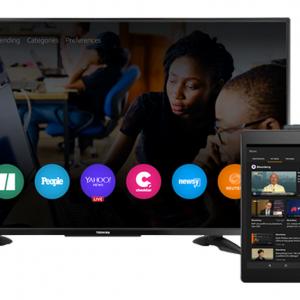
Facebook, the best and most used social app in the world, has all the social features you need. However, one feature is missing. You cannot chat...
23603 Views
If you have an idea for a new product, you can start by performing a patent search. This will help you decide whether your idea could become the...
14861 Views

Moving becomes easy when you have the right moving accessories. These moving accessories help secure and protect your item by ensuring that no harm...
13243 Views

A lot of us look forward to the result of moving and not the process itself. It is pretty typical behavior, though. As modern people, many things...
13175 Views

Building a custom home is an exciting adventure. It’s your chance to bring your vision to life and create an area that sincerely displays...
12928 Views

Moving from one state, city, or even to a whole different county, is something that is either dictated by choice or circumstance. This is because,...
11983 Views

A membrane contactor is a device that enables the transfer of components between two immiscible phases, typically a gas and a liquid, through a...
10666 Views
Statistics
| Members | |
|---|---|
| Members: | 17172 |
| Publishing | |
|---|---|
| Articles: | 79,685 |
| Categories: | 202 |
| Online | |
|---|---|
| Active Users: | 4237 |
| Members: | 2 |
| Guests: | 4235 |
| Bots: | 7396 |
| Visits last 24h (live): | 13329 |
| Visits last 24h (bots): | 32502 |

