Featured Articles

Boost Your Website Traffic with High Quality DA/PA 40+ Backlinks
Apr 7, 2023

In today’s competitive world, one must be knowledgeable about the latest online bus...
Oct 12, 2018
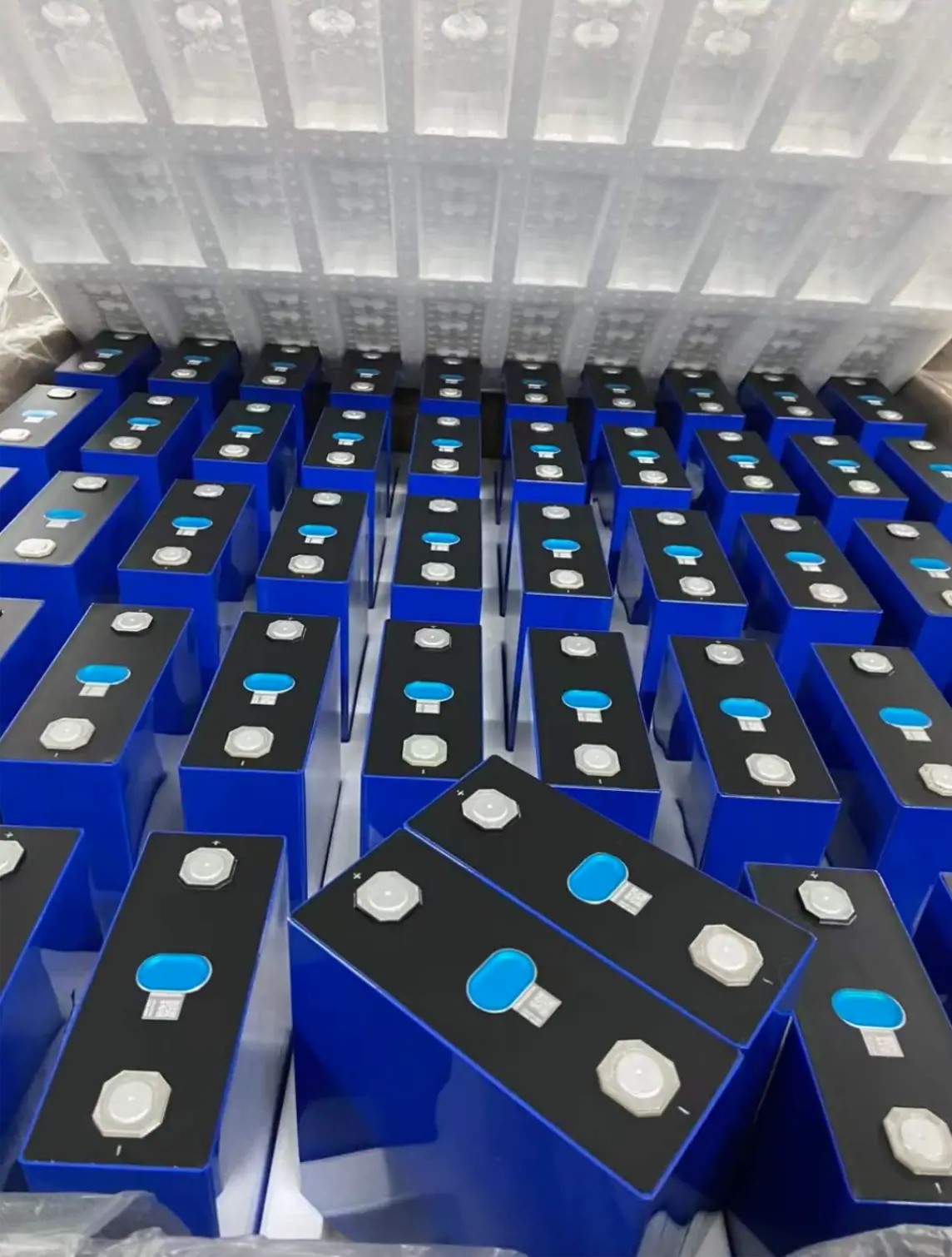
Lithium Iron Phosphate (LiFePO4) batteries have gained popularity because of their stability, safety, and long lifespan. But not all LiFePO4 cells are created equal. They're usually classified into three grades: Grade A, Grade B, and Grade C. Understanding the differences between these grades is crucial when choosing the right cells for your needs. In this guide, we’ll explore each grade to help you make a well-informed decision.
Part 1: What Are LiFePO4 Cells?
LiFePO4 cells are a type of lithium-ion battery that uses iron phosphate as the cathode material. Known for their high thermal and chemical stability, long cycle life, and consistent performance, these cells are ideal for use in electric vehicles, solar energy storage, and portable electronics.
Why Is Grading Important?
The grading of LiFePO4 cells affects their performance, safety, and lifespan. Choosing the wrong grade can lead to lower efficiency, reduced performance, and potential safety risks. Understanding the differences between the grades is essential when investing in LiFePO4 batteries.
Part 2: Characteristics of Grade A LiFePO4 Cells
Superior Performance: Grade A cells offer the best energy density, discharge rates, and efficiency. They are produced under strict quality control, ensuring minimal internal resistance and maximum capacity.
Longevity: These cells can handle thousands of charge and discharge cycles with minimal degradation, making them perfect for electric vehicles and energy storage systems.
Consistency: Grade A cells provide consistent performance, with nearly identical specifications across all cells in a batch.
Safety: They meet the highest safety standards and undergo rigorous testing, reducing the risk of overheating or leaking.
Part 3: Characteristics of Grade B LiFePO4 Cells
Good Performance: Grade B cells perform well, though not as efficiently as Grade A. They have higher internal resistance and slightly lower capacity.
Moderate Longevity: They have a shorter lifespan than Grade A cells, with a faster rate of performance degradation.
Slight Variability: There’s more performance variability in Grade B cells, meaning not all cells in a batch will have identical specifications.
Adequate Safety: They still meet safety standards but are not tested as rigorously as Grade A cells.
Part 4: Characteristics of Grade C LiFePO4 Battery Cells
Lower Performance: Grade C cells have the highest internal resistance and the lowest capacity, making them unsuitable for high-performance applications.
Shorter Longevity: These cells degrade faster, with significant performance drops after fewer charge cycles compared to Grade A and B cells.
High Variability: There’s a lot of inconsistency in the performance of Grade C cells, which can be problematic for applications requiring reliability.
Basic Safety: They meet basic safety standards but are more prone to issues like overheating.
Part 5: How to Identify the Grade of LiFePO4 Battery Cells
Manufacturer Reputation: Reputable manufacturers are more likely to produce high-quality Grade A cells. Check reviews and feedback on their products.
Specifications and Testing: Compare the cell’s specs with typical standards for each grade. Request test results from the supplier if available.
Visual Inspection: While not always conclusive, a visual check can sometimes indicate the cell's quality.
Price Point: Grade A cells usually cost more due to their superior quality. A low price could indicate a lower grade.
Supplier Transparency: A trustworthy supplier will openly share information about the cell’s grade and offer supporting documentation.
Part 6: Applications for Different Grades of LiFePO4 Battery Cells
Grade A Applications: Best for critical uses like electric vehicles, solar energy storage, and medical devices, where reliability and long life are essential.
Grade B Applications: Suitable for consumer electronics, backup power systems, and electric bikes, where moderate performance is acceptable.
Grade C Applications: Ideal for low-demand uses like toys, low-end gadgets, and prototyping, where high performance isn’t required.
Part 7: How to Source High-Quality LiFePO4 Battery Cells
Research Manufacturers: Look for companies with a good reputation for producing high-quality cells.
Verify Specifications: Make sure the specs match the grade you're looking for and ask for test results.
Check Certifications: Look for certifications like ISO, CE, and UL to ensure quality standards.
Request Samples: Testing samples yourself can give you a better idea of the cell's performance.
Evaluate Supplier Transparency: Choose a supplier that is open and honest about their product quality.
Part 8: Common Misconceptions About LiFePO4 Battery Cell Grades
"All Cells Are the Same": This is not true; cell grade impacts performance, safety, and lifespan.
"Higher Price Equals Higher Quality": While price can be an indicator, it’s crucial to verify specs and test results.
"Grade B and C Cells Are Useless": They have their place in less critical applications where performance isn’t as vital.
Understanding these differences will help you make the best choice for your specific needs, ensuring you get the most out of your LiFePO4 battery investment.
Article source: https://article-realm.com/article/Business/Marketing/69435-LiFePO4-Battery-Grades-Grade-A-B-and-C-Explained.html
Comments
Reviews

Most Recent Articles
- Sep 29, 2026 Thinking About Crypto Arbitrage Bot Development in 2026? Costs, Risks & ROI Explained by Benjamin Valor
- Sep 9, 2026 Digital Marketing for Mobile Notary Services: Being Found When Documents Need Signing by TrendWaltz
- Sep 9, 2026 Digital Marketing for Pressure Washing Services: Making Local Visibility Spotless by TrendWaltz
- Sep 3, 2026 Digital Marketing for Vending Machine Businesses: Winning Placement Contracts by TrendWaltz
- Sep 3, 2026 Digital Marketing for Recording Studios: Attracting Artists Ready to Create by TrendWaltz
Most Viewed Articles
- 1287 hits Lg Smartphone Unlocking and How to enter Lg G2 G3 Sim Unlock menu by shaha
- 1126 hits An Overview of Common iPad Problems by Keyur Patel
- 1093 hits Does Your iPhone Need a Screen Protector? by Keyur Patel
- 1080 hits Things You Must Know before You Take your iPhone to an Expert for Repair by Keyur Patel
- 1072 hits Do Not Ignore iPhone Screen Damages by Keyur Patel
Popular Articles
In today’s competitive world, one must be knowledgeable about the latest online business that works effectively through seo services....
81574 Views

Walmart is being sued by a customer alleging racial discrimination. The customer who has filed a lawsuit against the retailer claims that it...
63890 Views
Are you caught in between seo companies introduced by a friend, researched by you, or advertised by a particular site? If that is...
37343 Views
Facebook, the best and most used social app in the world, has all the social features you need. However, one feature is missing. You cannot chat...
23624 Views
If you have an idea for a new product, you can start by performing a patent search. This will help you decide whether your idea could become the...
14880 Views

Moving becomes easy when you have the right moving accessories. These moving accessories help secure and protect your item by ensuring that no harm...
13255 Views

A lot of us look forward to the result of moving and not the process itself. It is pretty typical behavior, though. As modern people, many things...
13200 Views

Building a custom home is an exciting adventure. It’s your chance to bring your vision to life and create an area that sincerely displays...
12945 Views

Moving from one state, city, or even to a whole different county, is something that is either dictated by choice or circumstance. This is because,...
12068 Views

The report is titled as ‘Recombinant Cell Culture Supplements Market: Opportunity Analysis and Future Assessment 2022-2030’. An...
11605 Views
Statistics
| Members | |
|---|---|
| Members: | 17198 |
| Publishing | |
|---|---|
| Articles: | 79,778 |
| Categories: | 202 |
| Online | |
|---|---|
| Active Users: | 545 |
| Members: | 0 |
| Guests: | 545 |
| Bots: | 4939 |
| Visits last 24h (live): | 4873 |
| Visits last 24h (bots): | 38067 |


